
Another Taboo Opened: Breaking the Silence Around Breast Cancer.
In the past, speaking openly about breast cancer felt almost like an admission of guilt. Talking about it in public was like lifting a veil over something people were trained to keep hidden. Friends and family would often refer to it vaguely, calling it simply “the disease,” never uttering the full name, as though saying “breast cancer” out loud could give it more power. I remember how my friends would lower their voices or cast worried glances if anyone brought it up, the discomfort almost palpable. For many men, the topic was even more unsettling—something to avoid, downplay, or politely ignore. There was a stigma attached, a silence that kept people in the dark about the realities of breast cancer, making it feel isolating for those directly impacted.
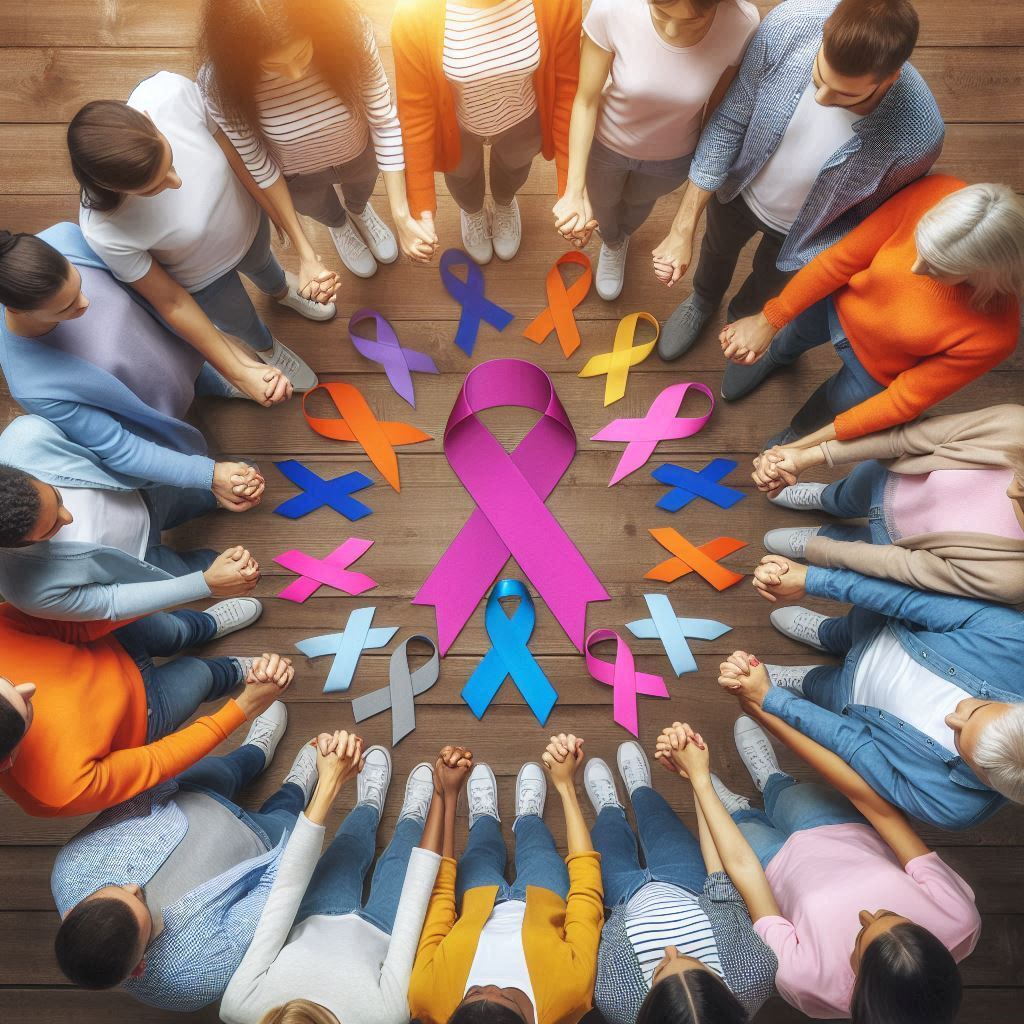
This weekend, however, I took part in the Brussels Marathon, and I witnessed something incredible. The event’s slogan, “Think Pink,” aimed to raise awareness for breast cancer, inviting people to stand in solidarity and break the silence together. The marathon felt like a magical transformation; it was as if the entire city was bathed in a sea of pink, with runners, supporters, and even some buildings decorated in hues that signified unity, hope, and strength.
People from around the world, spanning all ages—from toddlers to eighty-eight-year-olds—filled the streets, walking or running together. Every time we saw a breast cancer survivor, proudly dressed in a pink T-shirt, the crowd erupted in cheers. It was impossible not to be moved by their strength and resilience. The rest of us wore white T-shirts marked with the pink ribbon symbol, standing as allies in their fight.
In those moments, it was clear: the taboo around breast cancer was finally shattered. Everyone was there, united by a shared purpose, refusing to let silence or shame hold any power. But reaching this point wasn’t easy. It has taken years of awareness efforts, shared stories, and the courage of those who chose to speak out, especially women who fought for themselves and for others.

For so long, saying “I am a woman, and I am fighting breast cancer” was something kept in whispers. Women affected by this illness needed solidarity—true, ongoing support—not pity or ignorance. And the courage to voice that need has made an impact. Breaking taboos, like the one surrounding breast cancer, isn’t just about lifting silence on one illness; it’s about empowering society as a whole to sustain each other through compassion and empathy.
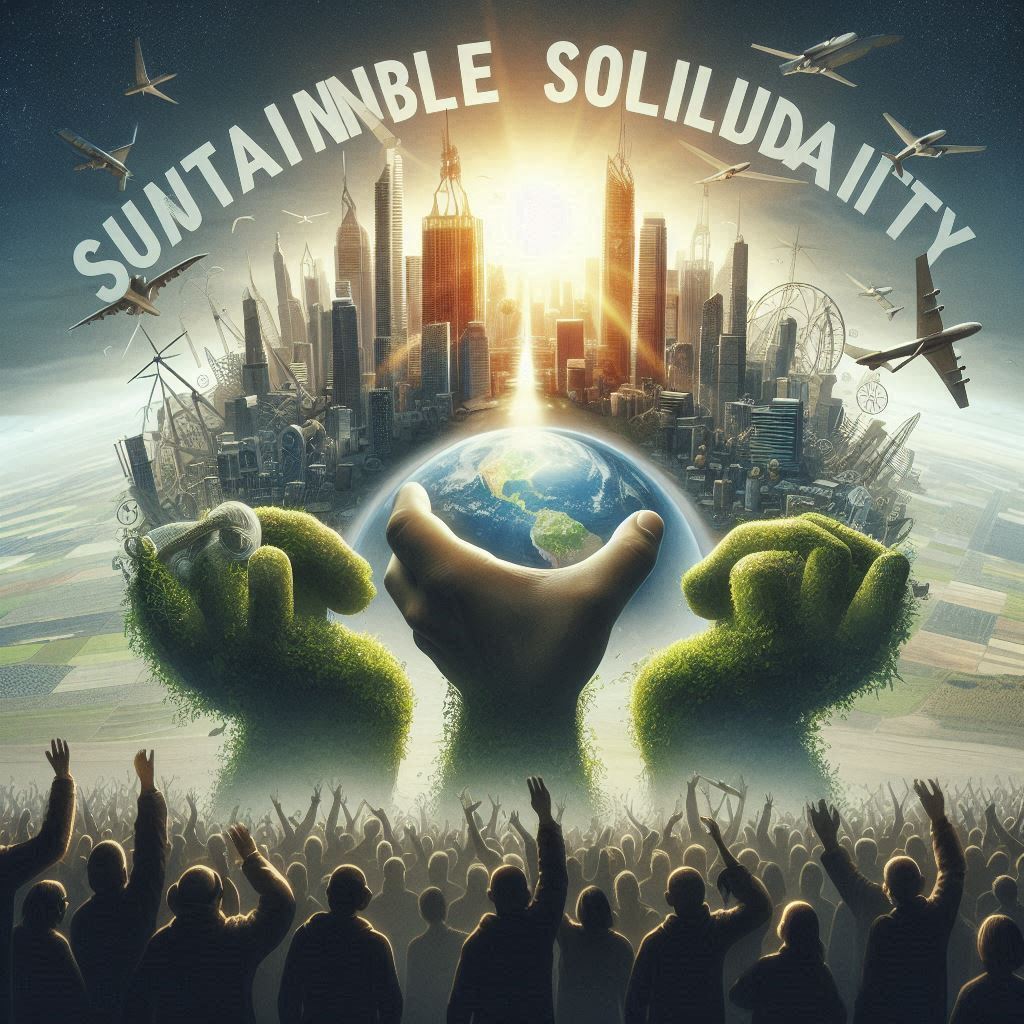
This sustainable solidarity—standing together not only for one moment but for all the moments to come—is essential to a healthy, active society. It helps create a sense of belonging and mutual support that strengthens us as a community. If we continue to confront taboos in this way, to talk openly, to support actively, and to listen without judgment, we can shape a society that doesn’t just survive but thrives, for this generation and those that will follow.

Sustainable solidarity isn’t just the solution for breast cancer; it’s the key to a more resilient future. And yes, breaking taboos will take time and care, but if done thoughtfully, it can reshape our society for the better.
In joining together so visibly, we were part of a larger mission: to create a sustainable support network that could uplift not only those affected by breast cancer today but also future generations. Breaking taboos, like those around breast cancer, is about so much more than one illness; it’s about creating a society that isn’t afraid to confront uncomfortable truths, to stand with each other through struggles, and to nurture resilience.
This sustainable solidarity—being present not only for today but for the future—allows us to actively shape a healthier, more compassionate society. If we continue to confront and dissolve taboos with this kind of unity, to embrace open conversations, and to build a foundation of empathy and support, we can create a world where no one feels isolated by their journey. Sustainable solidarity isn’t just about responding to one challenge; it’s about setting a standard for how we face any challenge, hand in hand, knowing that our strength lies in our ability to uplift one another.
This marathon was just one step in a much larger journey. But each step toward breaking taboos and building an enduring culture of compassion brings us closer to a society that thrives—not just for today, but for generations to come.
 Louma Albik
Leave a comment