

The European Union (EU) economy faces significant challenges, with a growing number of people excluded from the labor market. Currently, around 15 million individuals are reportedly unable to participate in employment due to factors such as age, mental health issues, and other social or health barriers. Mental health, in particular, has become a pressing concern, affecting millions and prompting EU institutions to prioritize workplace mental health as essential to economic resilience
Meanwhile, migration continues to shape Europe’s workforce, with roughly 15 million migrants entering or residing in EU member states annually. Migration has the potential to support the EU economy by supplementing labor shortages and addressing demographic challenges, particularly in aging populations. However, successful integration of migrants remains a complex issue. Labor market entry for migrants is hindered by skills gaps, recognition of qualifications, and social integration barriers, which prevent many from fully contributing to the EU’s workforce.

Together, these dynamics underscore the EU’s dual challenge: supporting those excluded from the labor market while ensuring that incoming migrants have opportunities for employment and integration. Addressing both issues could involve greater investment in mental health initiatives, inclusive hiring practices, vocational training, and support for companies in integrating migrant workers.
Whe integration of highly educated and skilled migrants into the EU labor market faces persistent challenges, notably the recognition and equivalence of foreign qualifications. Many migrants possess valuable expertise and experience, yet their qualifications often go unrecognized due to complex equivalence processes. This barrier prevents them from fully contributing to sectors that are experiencing labor shortages, such as engineering, healthcare, and information technology.
Simplifying the qualification recognition process could harness these skills, creating a mutually beneficial outcome for migrants and the EU economy.
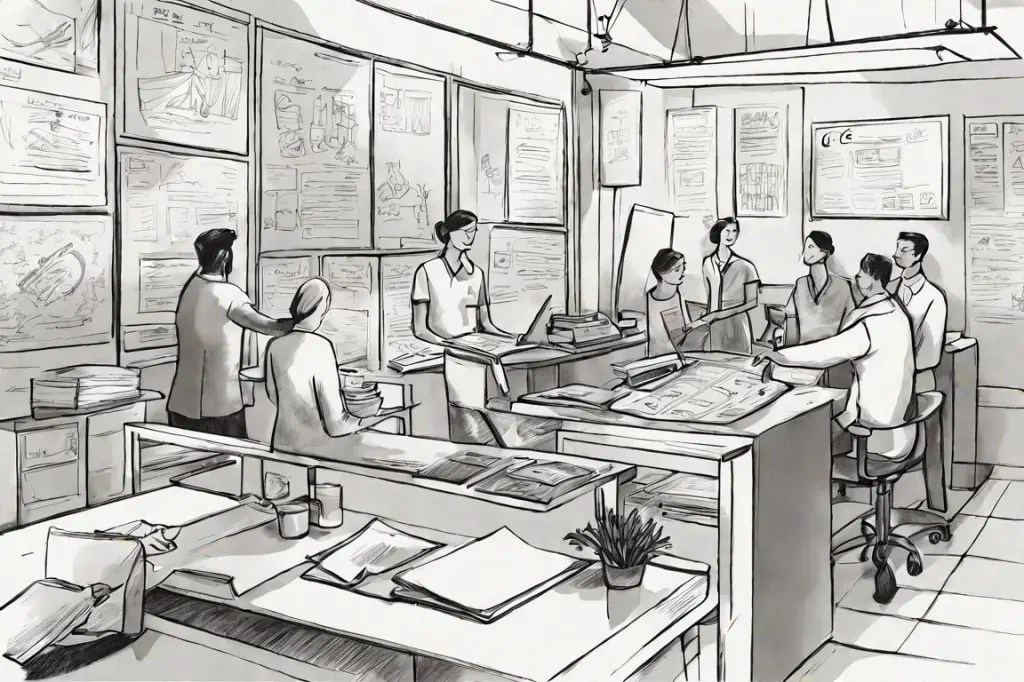
Women migrants, many of whom arrive alone, bring diverse skill sets and often have entrepreneurial ambitions, yet they face particular obstacles such as access to credit, support networks, and resources for starting businesses. Facilitating these women’s integration into the business community could be transformative for local economies, as entrepreneurial activity typically generates employment and stimulates economic growth. Policies supporting their access to resources, training, and mentorship could enable a “win-win” scenario where both the EU economy and migrant communities thrive.
Overall, reforming qualification recognition and supporting migrant entrepreneurship could address skill shortages while empowering a growing segment of the EU population, driving long-term economic resilience and growth.

 Louma Albik
Leave a comment